Teams
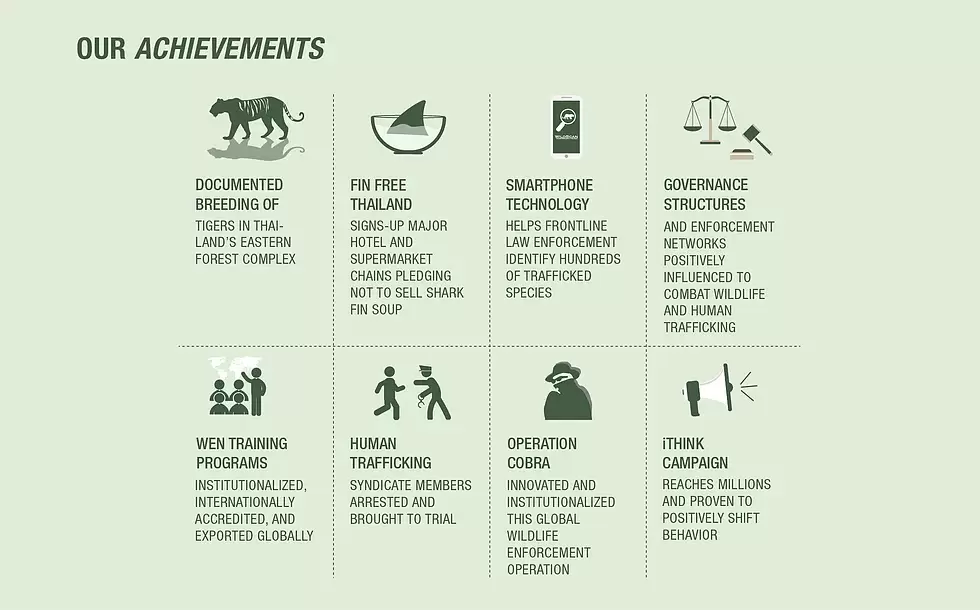
Multi-agency, multi-thematic task forces that cut across TOC silos
Multi-agency, multi-thematic task forces that cut across TOC silos
C-TOC and TFE – INL-sponsored courses building cross-TOC LE capacity
Special Investigation Groups (SIGs) linking task forces cross-border
CRUX Database, WildScan, DETEGO - capturing operational intel across jurisdictions



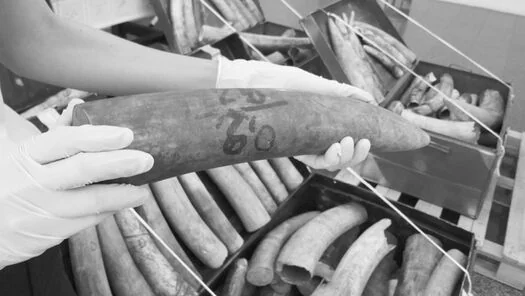
Africa is a continent immensely rich in biodiversity, home to an abundance of wildlife, from African wild dog to mountain gorilla to black rhinoceros. Poaching and wildlife trafficking have decimated Africa's wildlife by the millions, threatening irreplaceable animal and plant species while undermining the economy and security of surrounding communities. Pangolin scales, rhino horn, and elephant tusk are the most commonly trafficked wildlife products in the region. These same criminal networks and trade routes are frequently exploited to traffic people, with victims of forced labor and sexual exploitation moving alongside illicit wildlife goods. Freeland works across the region to disrupt both crimes, strengthening law enforcement capacity and protecting vulnerable communities from exploitation.

The United States, Canada, and Mexico are among the largest players in the North American wildlife trade market. According to a 2016 factsheet from Defenders of Wildlife, the United States seized 50,000 illegal shipments of traded wildlife products between 2005 and 2014. North America is also a major destination and transit region for human trafficking, with victims trafficked for labor and sexual exploitation often moving through the same illicit networks and financial systems used to launder proceeds from wildlife crime. Freeland partners with regional agencies and organizations to target these overlapping criminal economies.

As the world's most biodiverse continent, home to roughly 40% of the world's plant and animal species, Latin America has become a hub for the criminal wildlife trade. According to the Living Planet Report 2014, South America's animal populations have fallen by 83% since the 1970s. The most endangered species include the South American tapir, giant otter, Uakari monkey, white-cheeked spider monkey, and hyacinth macaw. The region is also a significant source, transit, and destination area for human trafficking, with organized crime groups frequently trafficking both people and wildlife through shared smuggling corridors. Freeland works to expose these connected networks and support survivors and vulnerable communities alike.

South Asia accounts for 15% of the world's biodiversity and is home to roughly one-fourth of the world's population — 1.8 billion people — making it the most populous and densely populated region on Earth. Wildlife products illegally traded in the region include tiger and leopard skins, turtles and tortoises, sea horses, snake venom, mongoose hair, snake skins, tokay gecko, and bear bile. South Asia also has some of the highest rates of human trafficking globally, including bonded labor, forced labor, and sex trafficking, often driven by poverty and weak enforcement in the same rural and border areas affected by wildlife crime. Freeland's work in the region addresses both forms of exploitation together.

Southeast Asia is a wildlife trade hotspot, functioning as both supplier and consumer. Also known as the Golden Triangle, the border areas connecting Thailand, Laos, and Myanmar are known as both a source and destination for illegal wildlife trade. Commonly trafficked products include pangolin scales, tiger bones, and rhino horn used in traditional medicine, along with Palm cockatoos, tortoises, freshwater turtles, and snakes for the pet trade, and marine turtle and elephant ivory for trophies. This same region is a global epicenter for human trafficking, including forced labor in fishing and manufacturing and the trafficking of women and children for sexual exploitation — crimes that often run through the same syndicates and trade routes as wildlife trafficking. Freeland's flagship anti-trafficking programs in the region work to dismantle these networks and protect at-risk populations.